
Dahua camera breach in Ukraine forces organisations to audit surveillance systems
Businesses that rely on video‑surveillance in Ukraine have been warned that remote attackers are now able to view live feeds, re‑configure devices and create hidden accounts on Dahua cameras and recorders.
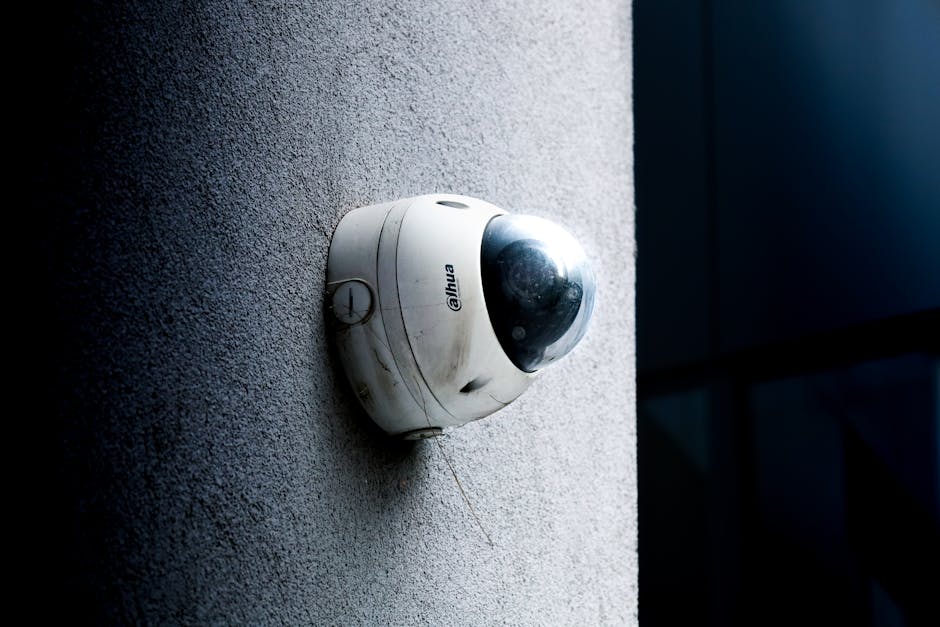
Businesses that rely on video‑surveillance in Ukraine have been warned that remote attackers are now able to view live feeds, re‑configure devices and create hidden accounts on Dahua cameras and recorders. The warning comes from the Ukrainian Computer Emergency Response Team (CERT‑UA) after two large‑scale campaigns that exploited predictable serial numbers, a peer‑to‑peer (P2P) mobile app and several known firmware flaws.
How the attacks were carried out
CERT‑UA identified the Easy4IP P2P platform, the mobile service that lets users add a camera by scanning a QR code or typing the device’s serial number, as the initial entry point. Dahua serial numbers follow a ten‑character model prefix plus a five‑character hexadecimal counter, a pattern that can be guessed in bulk. By probing the cloud relay, attackers can confirm whether a device is online without triggering rate‑limit blocks.
Once a serial number is known, the threat actors either use weak or default passwords or exploit two authentication‑bypass bugs in older Dahua firmware, CVE‑2021‑33044 and CVE‑2021‑33045, to log in without credentials. The same actors also leveraged a suite of other flaws across vendors, including:
- CVE‑2017‑7921 (authentication bypass in Hikvision devices)
- CVE‑2020‑25078 (credential disclosure in D‑Link devices)
- CVE‑2020‑25169 (information disclosure in Reolink devices)
- CVE‑2021‑36260 (remote code execution in Hikvision devices)
- CVE‑2024‑53375 (vulnerability in TP‑Link devices)
- CVE‑2024‑57049 (vulnerability in MikroTik devices)
- CVE‑2025‑31702 (exposure of Dahua’s P2P relay service)
Campaigns that surfaced
Russian‑speaking operator
One campaign, traced to a Russian‑speaking operator, targeted internet‑exposed cameras in Ukraine and succeeded against 58 devices. The operator used the Ingram scanning tool to chain together the above CVEs, moving laterally across different manufacturers.
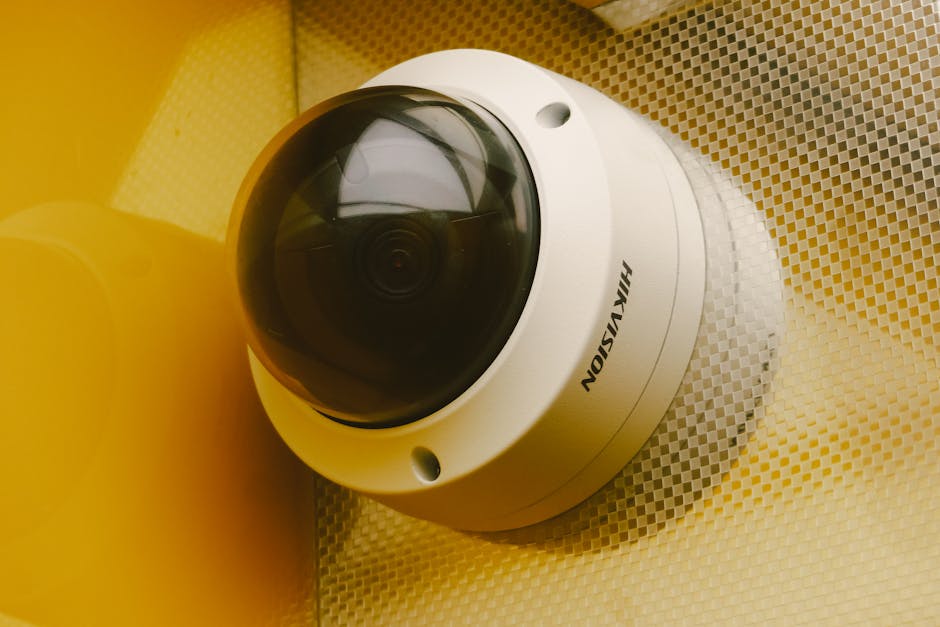
Photo by Atypeek Dgn on Pexels
Operation CameraSwarm
A second, larger operation, dubbed Operation CameraSwarm, compromised more than 14 530 Dahua cameras between 17 June and 22 July 2026. The attackers performed credential‑brute‑force attacks and leveraged the CVE‑2021‑33044/45 chain. Their tool scans TCP port 37777, harvests serial numbers and creates a persistent backdoor account called p2pwn/p2password. Nearly 2 000 cameras received this account, and a total of 1 923 devices were found with the backdoor, of which 283 were reached solely through the cloud relay, bypassing any local network address.
Signs that your devices may be compromised
- Unknown user accounts appear in the camera’s management console.
- Configuration settings change without an administrator’s action.
- Audit logs show authentication events using the manufacturer’s DVRIP protocol from the loopback address 127.0.0.1, a hallmark of P2P‑based access.
Immediate steps you can take
- Turn off Easy4IP, disable the P2P feature in the camera’s web UI unless you need remote mobile access.
- Patch firmware, apply the latest Dahua firmware that addresses CVE‑2021‑33044, CVE‑2021‑33045 and any newer fixes.
- Replace default credentials, set strong, unique passwords for every camera and enforce regular rotation.
- Remove rogue accounts, delete any user named p2pwn or p2password via the Dahua management console.
- Watch audit logs, look for DVRIP log entries originating from 127.0.0.1 and investigate any that you did not create.
- Patch ancillary gear, scan and update any TP‑Link devices (CVE‑2024‑53375) and MikroTik routers (CVE‑2024‑57049) that share the same network.
- Segment the network, place cameras on a VLAN or separate subnet that cannot reach critical business systems.
- Block unnecessary ports, close TCP port 37777 on perimeter firewalls unless a legitimate service requires it.
- Review cloud relay usage, if cameras sit behind NATs, disable the cloud‑relay option unless you actively use it.
Vulnerabilities referenced in the advisory
| CVE ID | Affected product | Issue type |
|---|---|---|
| CVE‑2017‑7921 | Hikvision devices | Authentication bypass |
| CVE‑2020‑25078 | D‑Link devices | Credential disclosure |
| CVE‑2020‑25169 | Reolink devices | Information disclosure |
| CVE‑2021‑33044 | Dahua firmware | Authentication bypass |
| CVE‑2021‑33045 | Dahua firmware | Authentication bypass |
| CVE‑2021‑36260 | Hikvision devices | Remote code execution |
| CVE‑2024‑53375 | TP‑Link devices | General vulnerability |
| CVE‑2024‑57049 | MikroTik devices | General vulnerability |
| CVE‑2025‑31702 | Dahua P2P relay | Exposure of relay service |

Photo by David Yu on Pexels
Why this matters to you
The compromise of surveillance cameras is not just a privacy issue; it can provide attackers with a live view of a site, help map security patrol routes and, as Dutch intelligence agencies warned, feed automated image‑recognition tools that target military vehicles and cargo. Even if your cameras are not directly connected to critical infrastructure, the visual intelligence they expose can be weaponised in broader espionage campaigns.
Take the steps above as soon as possible. A quick audit of passwords, firmware versions and P2P settings can close the most obvious doors before the threat actors return.
All claims referenced are drawn from the CERT‑UA advisory and supporting reports.