
Malaysia can boost food security by learning from China’s farm technology
Malaysia’s agriculture minister urges the country to adopt China’s farm‑tech and rural‑development strategies, and to deepen regional cooperation, to build a food system that can withstand future shocks.
Malaysia’s Minister of Agriculture and Food Security, Datuk Seri Mohamad Sabu, returned from the 11th Asia‑Pacific Economic Cooperation (APEC) Food Security Ministers’ Meeting in Hangzhou with a clear message: the country should look to China’s systematic use of technology, productivity gains and rural development to make its own agro‑food sector more resilient. For businesses that rely on stable food supplies, the implication is simple, adopt proven tools, partner regionally, and prepare for future shocks.
What China’s agricultural model offers Malaysia
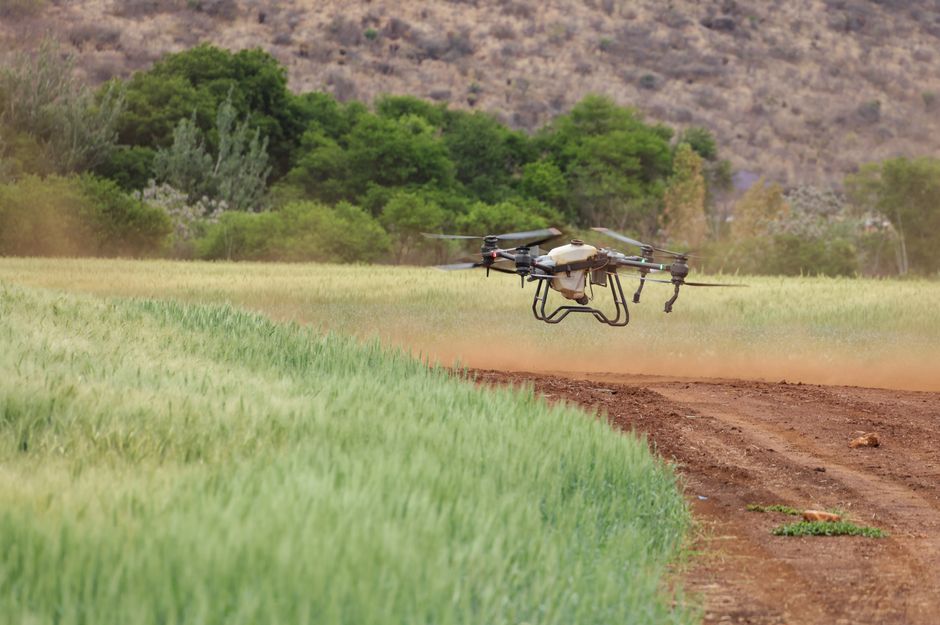
China has demonstrated that large‑scale deployment of digital tools, from satellite‑based soil monitoring to AI‑driven pest prediction, can lift yields while reducing waste. The minister highlighted three pillars that underpin this success:
- Technology deployment, sensors, drones and data platforms give farmers real‑time insight into moisture, nutrient levels and weather patterns.
- Productivity improvements, mechanised planting and harvesting, combined with precision fertiliser application, raise output per hectare.
- Systematic rural development, coordinated planning, extension services and credit schemes ensure that smallholders can adopt new methods without bearing the full risk.
For a Malaysian business, the takeaway is not to copy every Chinese practice, but to evaluate which technologies can be integrated into existing supply chains. A midsize food processor, for example, could pilot a sensor network on its contracted farms to predict yield shortfalls and adjust procurement plans before a shortage hits the line.
Why regional cooperation matters
The minister also stressed that a strong regional food supply chain is essential for stability. Cooperation with neighbouring countries can smooth out local production gaps, share best‑practice data and coordinate emergency stock releases. In practice, this means:
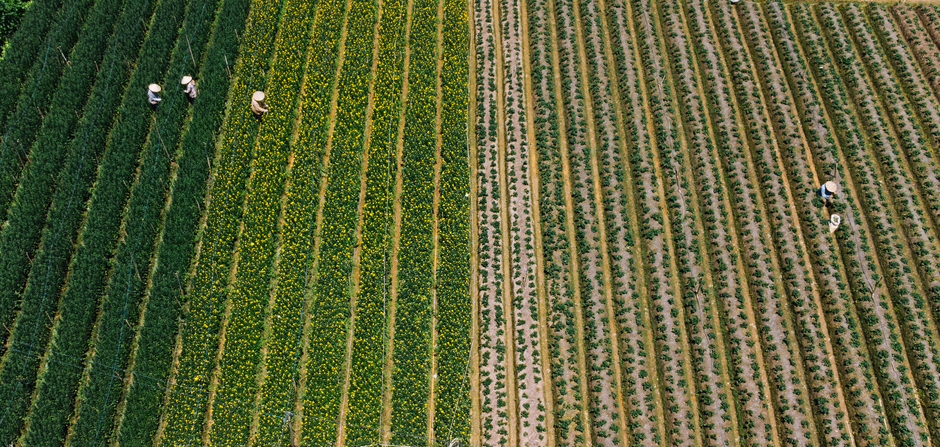
Photo by Red Nguyen on Pexels
- Joint monitoring platforms, sharing satellite imagery and market data across borders helps spot emerging shortages early.
- Harmonised standards, aligning quality and safety protocols reduces friction when moving goods between countries.
- Strategic reserves, coordinated stockpiles can be tapped quickly during droughts or disease outbreaks.
Companies with cross‑border operations should engage with industry bodies that are shaping these regional frameworks. Asking questions such as “What data standards are being adopted by our ASEAN partners?” or “How can we contribute to a shared emergency reserve?” can position a firm as a proactive player rather than a passive recipient.
Practical steps for businesses now
- Map your supply‑chain vulnerabilities, Identify which inputs (e.g., rice, palm oil, fish) are most exposed to climate or market volatility.
- Start small with digital pilots, Choose one crop or supplier and introduce a low‑cost sensor or data‑sharing app. Track the impact on yield forecasts and procurement decisions.
- Engage with regional forums, Attend APEC‑related workshops or ASEAN agricultural committees to stay informed about emerging cooperation initiatives.
- Build flexibility into contracts, Include clauses that allow volume adjustments based on verified sensor data, reducing the risk of over‑stocking or shortages.
- Invest in workforce up‑skilling, Train agronomists and supply‑chain analysts to interpret data insights, ensuring technology adoption translates into actionable decisions.
By taking these steps, firms can reap the productivity benefits highlighted by the minister while also contributing to a more stable regional food system.
Photo by Quang Nguyen Vinh on Pexels
The long‑term goal: a resilient food system
At the heart of the minister’s message is a simple objective, ensure that the Malaysian population has enough food, that supply is guaranteed, and that the system can weather future challenges. Achieving this requires a blend of technology, coordinated planning and cross‑border collaboration. For businesses, the risk of inaction is clear: supply disruptions can erode margins, damage brand reputation and invite regulatory scrutiny.
Terms used in this article
- Asia‑Pacific Economic Cooperation (APEC), A regional forum that promotes economic growth, cooperation and trade among Pacific Rim economies.
- Sensor network, A collection of devices that collect environmental data (e.g., soil moisture, temperature) and transmit it for analysis.
- Precision fertiliser application, Using data to apply the right amount of fertiliser at the right time, reducing waste and improving yields.
This article reflects the minister’s public statements and independent reporting. It does not endorse any specific vendor or product.
For firms seeking AI-driven image analysis for crops, Stratum's machine-vision applications illustrate how such tools can be deployed in agriculture.