
European Refrigeration Cyberattacks Highlight Need to Secure Malaysia’s Food Supply Chain
Recent cyber attacks that crippled European refrigeration systems show how Malaysia’s digitally automated food supply chain could face similar risks. Strengthening the sector under the NCII regime and conducting regular operational‑technology audits are key steps to protect food security.
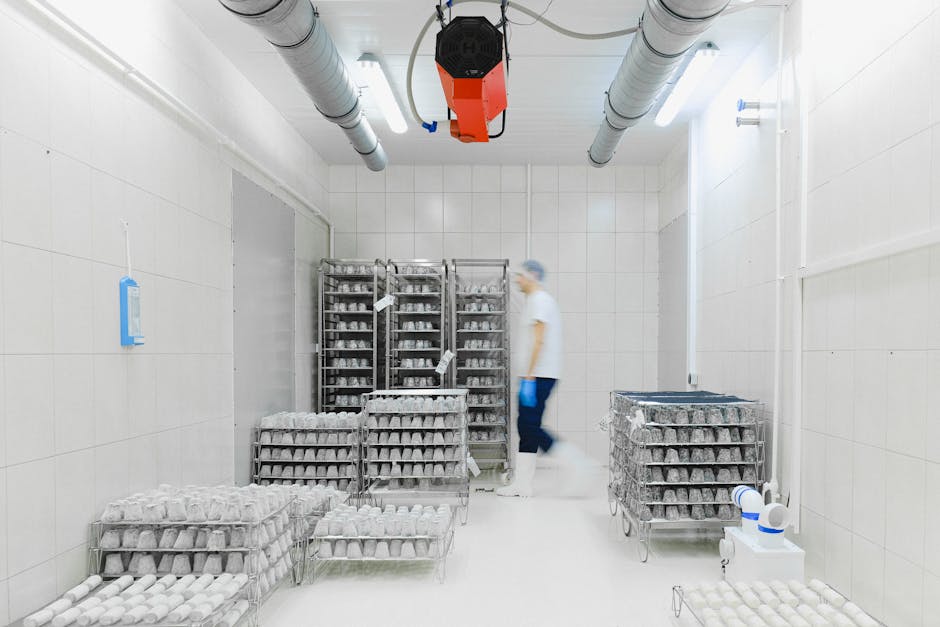
Recent cyber attacks that crippled refrigeration management systems in Europe have spoiled thousands of tonnes of fresh food. Malaysia’s own food logistics network is becoming ever more reliant on digital automation, meaning a similar breach could threaten national food security.
Digital Automation Across the Malaysian Food Chain
Mega‑distribution centres, the major sea‑ports of Port Klang and Port of Tanjung Pelepas, cold‑storage warehouses and poultry‑and‑livestock processing complexes now run on interconnected control systems. The National Agrofood Policy 2021‑2030 (DAN 2.0) is actively driving smart agriculture and integrated logistics, a shift that brings efficiency but also new cyber exposure.
What Could Go Wrong?
If the control software that monitors temperature, humidity and stock levels is compromised, the result is not just a technical outage, it is food that rots, supply shortages and a loss of consumer confidence. An expert warned that neglecting the defence of national food stockpiles could trigger panic buying, sharp price spikes and a broader erosion of trust in Malaysia’s cybersecurity governance.
Security Alert Level Is Not a One‑Off Fix
The government has already raised the national cybersecurity threat alert level as a preventive step. That heightened posture must be maintained, with regular testing and monitoring, to avoid large‑scale losses to food stocks.

Photo by Tom Jackson on Pexels
Mapping the Core Findings and Recommendations
| # | Claim | Practical implication for Malaysia | Recommended action |
|---|---|---|---|
| 1 | Cyber attacks in Europe exploited vulnerabilities in refrigeration management systems and spoiled thousands of tonnes of fresh food products. | Shows a real‑world example of how a single control‑system breach can devastate food supplies. | Review and harden all refrigeration control networks against unauthorised access. |
| 2 | Malaysia's National Agrofood Policy 2021‑2030 (DAN 2.0) is actively driving smart agriculture, digital automation and integrated logistics. | Confirms that Malaysia is rapidly digitising its food chain, increasing the attack surface. | Treat every new digital asset as a potential security risk from the outset. |
| 3 | Mega food distribution centres, major ports (Port Klang and Port of Tanjung Pelepas), cold storage warehouses and poultry/livestock processing complexes in Malaysia are now heavily reliant on digital automation. | Identifies the critical facilities that must be protected. | Prioritise these sites for vulnerability assessments and patch management. |
| 4 | Neglecting defence systems of national food stockpiles could trigger a supply crisis, panic buying, food price spikes and erode consumer confidence in Malaysia's cybersecurity governance. | Highlights the broader economic and societal impact of a breach. | Incorporate food‑security scenarios into national cyber‑risk modelling. |
| 5 | The food supply chain should be comprehensively recognised and strengthened under the scope of NCII as defined in the Cyber Security Act 2024. | Provides a legal pathway to enforce protection of critical food‑infrastructure. | Amend the NCII list to explicitly include refrigeration and logistics control systems. |
| 6 | Malaysia's national cybersecurity threat alert level has been heightened as a proactive measure, but preparedness must remain at peak to avoid large‑scale losses to food stocks. | Reminds that alert levels are only as good as the ongoing preparedness behind them. | Conduct regular tabletop exercises that simulate a refrigeration‑system compromise. |
| 7 | Modern food security depends as much on cyber‑infrastructure resilience (verification codes, operational technology) as on traditional factors like soil fertility and weather. | Expands the definition of food security to include IT and OT reliability. | Align food‑security audits with cyber‑risk assessments. |
| 8 | Regular audits of operational technology integrity in food warehouses and coordinated agro‑food crisis preparedness drills are essential for safeguarding the supply chain. | Sets out concrete operational steps to maintain resilience. | Institutionalise quarterly OT audits and annual multi‑agency crisis drills. |
Why the NCII Inclusion Matters
The Cyber Security Act 2024 defines National Critical Information Infrastructure (NCII) as the digital systems whose failure would cause serious harm to national interests. By adding refrigeration control networks and logistics platforms to the NCII list, regulators can mandate stricter security standards, require real‑time monitoring and enforce compliance penalties.
Practical Steps for Business Leaders
- Audit your OT environment, map every controller, sensor and software version in cold‑storage and processing plants.
- Patch and harden, apply vendor security fixes promptly and disable unused services.
- Segment networks, separate control‑system traffic from corporate IT and internet‑facing zones.
- Deploy monitoring, use anomaly‑detection tools that flag unusual temperature‑set‑point changes.
- Run drills, organise joint exercises with the Cyber Security Agency, port authorities and food‑industry bodies to test incident response.
- Engage regulators, ensure your facilities are listed under the NCII scope or are prepared for inclusion.
By taking these actions, organisations can protect their assets, keep food from spoiling and maintain public confidence in the supply chain.
Photo by میوه پرداز پویا on Pexels
The analysis draws on expert commentary reported in The Star (2026) and reflects independently verified observations.
Terms used in this article
- NCII (National Critical Information Infrastructure), digital systems whose disruption would cause serious harm to national security, public health or the economy, as defined by the Cyber Security Act 2024.
- Operational Technology (OT), hardware and software that monitor and control physical devices, such as refrigeration units, sensors and actuators in industrial environments.
- DAN 2.0, the National Agrofood Policy 2021‑2030 that promotes smart farming, digital logistics and integrated supply‑chain management in Malaysia.
- Cyber‑security threat alert level, a government‑issued rating that indicates the current perceived level of cyber risk to the nation.